
Tringbox
Instore AI Music
Opening a Restaurant or Casual Dining Space in 2025?
The Complete Atmosphere & Mood Engineering Guide Every Restaurateur Must Master
By
Tringbox Team
Published
Nov 6, 2025
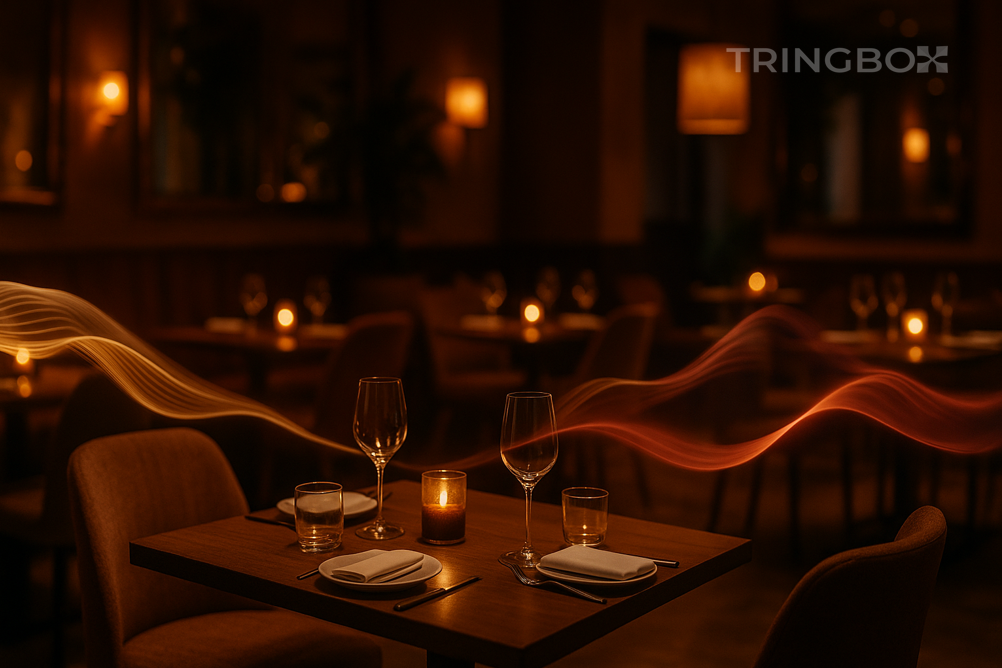
Restaurants don't succeed because of food alone. If they did, every great home cook would run a Michelin-star kitchen. In 2025, restaurants succeed because of atmosphere. Atmosphere shapes: Appetite, Mood, Conversation, Dining pace, Perceived taste, Memory, Social media sharing, Return visits, Customer loyalty. A restaurant is a multi-sensory experience, and the environment determines how customers emotionally interpret the food. The most important layers of this experience? Lighting, sound, scent, spacing, temperature, and emotional rhythm. Among these, music holds extraordinary power the ability to make a dish taste better, a moment feel deeper, and a dinner more memorable. This is the complete ambience playbook for restaurants in 2025, with Tringbox at the center of intelligent mood control.
1. Decide your restaurant's emotional identity
2. Lighting determines appetite and mood
3. Seating layout controls interaction
4. Scent influences appetite
5. Temperature and airflow must support comfort
6. Acoustic comfort shapes conversation quality
7. Music is the invisible ingredient that makes food taste better
8. What restaurant music should sound like (mood engineering)
9. How Tringbox transforms restaurant ambience
10. Zone-based sound in restaurants
11. Music controls dining speed and behaviour
12. Celebration triggers create emotional memories
13. Time-of-day ambience flow
14. Make your restaurant a story, not a service
Conclusion
A restaurant in 2025 must be a multi-sensory mood experience engineered with precision and intelligence. Ambience is not a luxury it is the difference between an average dinner and an unforgettable one. Tringbox ensures your restaurant delivers: Perfect atmosphere, Emotionally precise music, Zone-based sound, Seamless time-of-day flow, Celebration magic, Zero repetition, A signature dining vibe. A restaurant is not where people eat it is where people feel the taste of life, and Tringbox shapes that feeling.
Read Next
Opening a Retail Store in 2025?
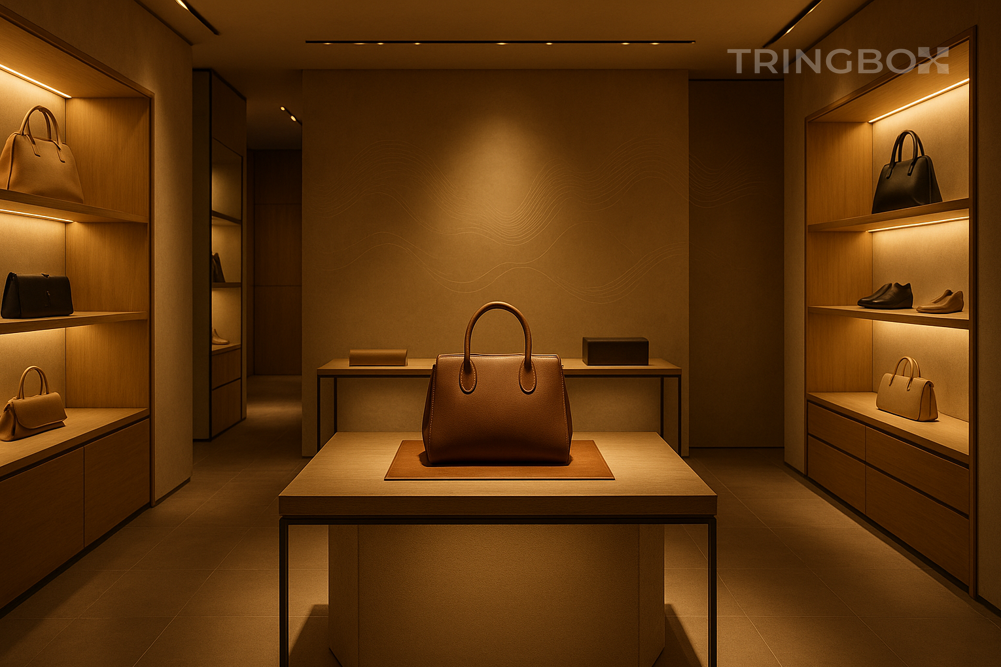
Launching a retail store is more complex today than at any point in the last decade. Customers now walk into a store expecting more than organized shelves, friendly staff, or a premium product lineup. They expect a multi sensory experience a blend of visual design, atmospheric comfort, emotional warmth, and brand personality. In 2025, experience is your real product. If your store doesn't feel intentional, it won't stand out. Here is the complete blueprint for designing a modern retail store that drives footfall, boosts sales, and creates emotional stickiness. The biggest differentiator? Ambience, sound design, and music intelligence, subtly powered by Tringbox.
Opening a Café in 2025?
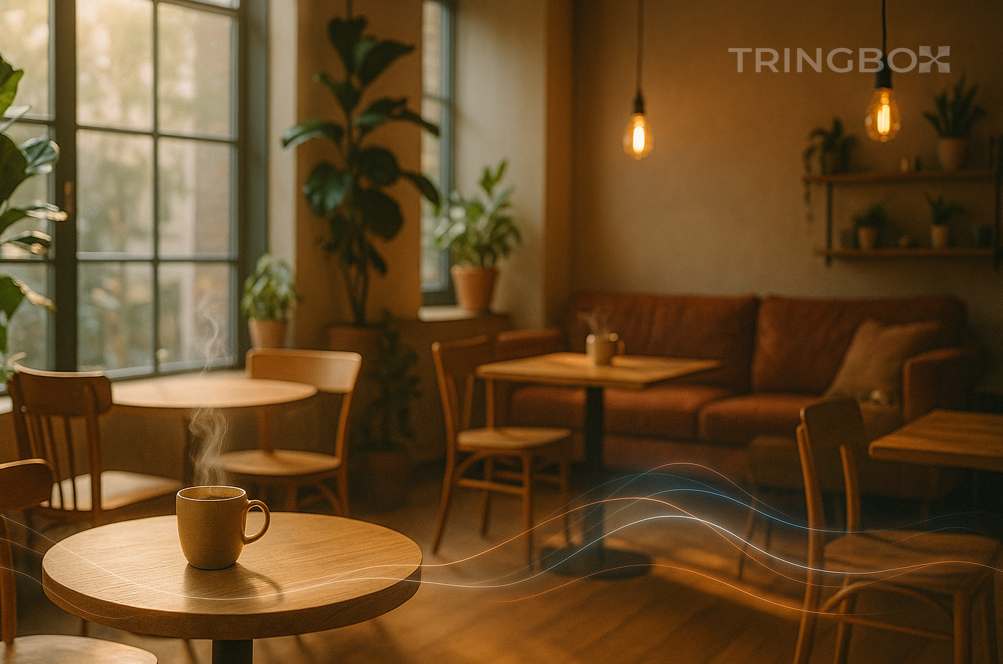
Opening a café is one of the most exciting but challenging ventures today. The competition is no longer about who has the best cappuccino or the fanciest latte art it's about who creates the most emotionally comforting environment. A café in 2025 must feel like: A relaxing sanctuary, A productivity hub, A community corner, A beautiful photo worthy space, A warm emotional experience. This guide is your complete blueprint to building a café that people visit not just once but visit again, bring friends to, recommend, and fall in love with. And at the heart of this modern café experience is an element founders overlook: sound and ambience. Let's build the most memorable café atmosphere possible.
Opening a Gym or Fitness Studio in 2025?
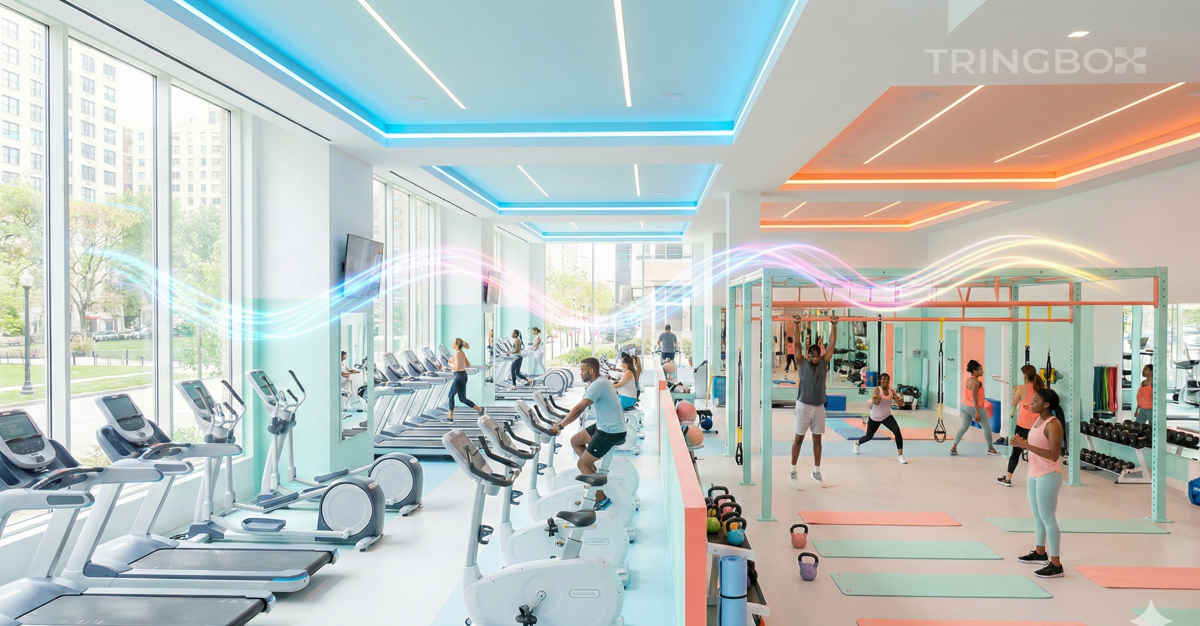
Opening a gym today is no longer just about equipment, trainers, or memberships. The fitness industry has evolved into an experience driven market where ambience, energy, sound, and emotional motivation define success. A gym must feel powerful. A gym must feel alive. A gym must feel inspiring. Members decide within 15 seconds whether they like a fitness space. And once they emotionally disconnect, no amount of machines or discounts can fix it. This is the ultimate experience design blueprint for gym founders detailing the psychology of fitness environments, sensory design, and the role of AI powered music systems like Tringbox in shaping performance and member motivation.
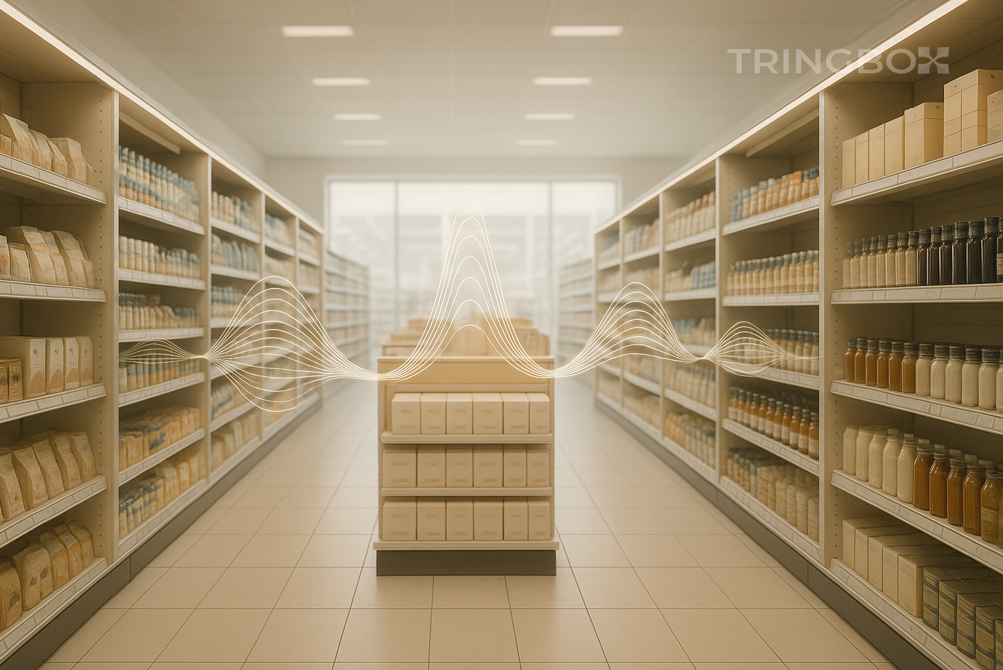
Opening a Supermarket in 2025?
Supermarkets look simple from the outside shelves, aisles, billing counters, trolleys, and products. But behind every successful supermarket is an invisible science: behaviour design. The best supermarkets don't just sell products; they engineer customer movement, emotional comfort, browsing behaviour, speed, satisfaction, and ultimately, spending patterns. In 2025, opening a supermarket requires a deep understanding of how environment + emotion = customer decisions. This blog is the complete sensory and psychological design playbook for modern supermarkets, including the most overlooked yet powerful element: sound and music ambience, intelligently controlled by systems like Tringbox. Let's build a supermarket that feels smooth, comfortable, premium, and irresistibly easy to shop in.
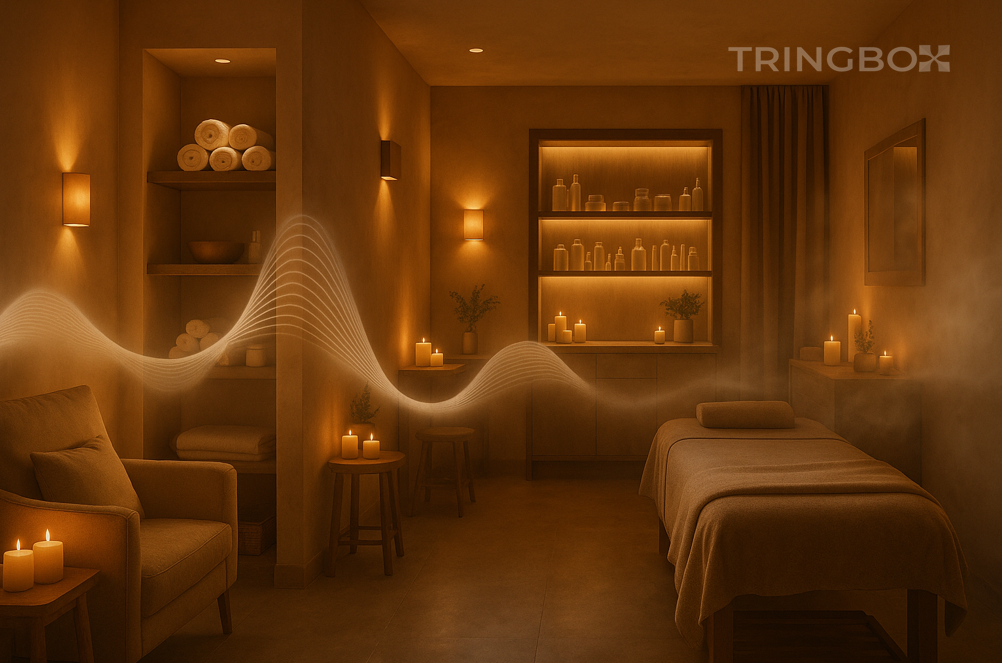
Opening a Salon or Spa in 2025?
A salon or spa is not a service business. It is an emotional sanctuary a space where customers come to feel calm, restored, beautiful, confident, and taken care of. In 2025, customers have endless choices. They will return only to places that create a deep emotional experience, not just a haircut or a massage. That emotional experience is created through one thing: ambience. Ambience is not décor. Ambience is light + sound + scent + energy + comfort + emotional flow working together to create a feeling. This playbook reveals the complete sensory and psychological blueprint to build a salon or spa people will fall in love with including the element founders overlook most: Music and sound ambience, intelligently managed by AI systems like Tringbox. Let's build a space that feels unforgettable.
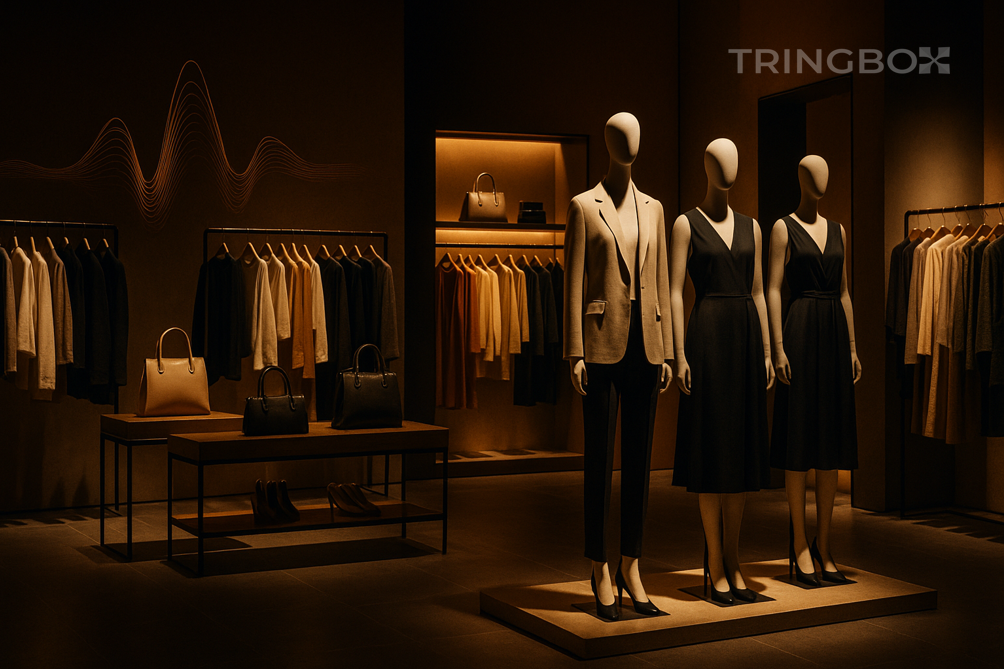
Opening a Clothing or Fashion Store in 2025?
Fashion stores have transformed dramatically in the past decade. In 2025, people don't walk into clothing stores just to buy clothes they walk in to experience a world, a mood, a lifestyle. Fashion is emotional, and your store must feel like the personality of your brand. The success of a clothing store is now determined by: Atmosphere, Sensory design, Music and emotional tone, Lighting, Layout and movement flow, How the customer feels while exploring. This is the complete blueprint for creating a clothing store customers fall in love with. And at the core of this sensory environment is the most underrated design element: sound and music, powered intelligently by Tringbox.
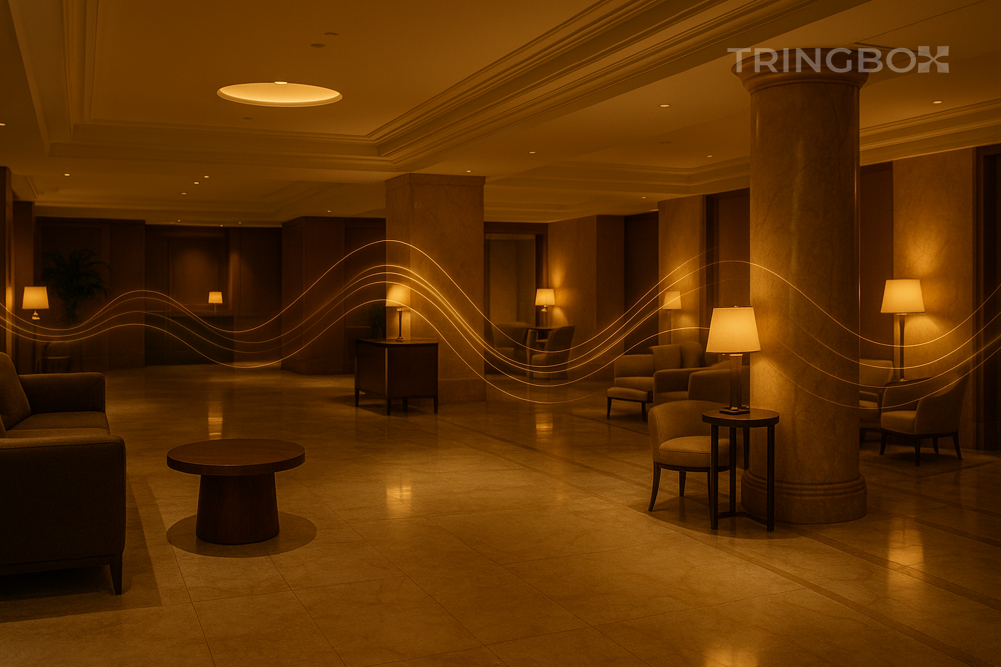
Opening a Hotel Lobby or Hospitality Venue in 2025?
A hotel lobby is the soul of the entire hospitality experience. It is the first impression, the emotional anchor, and the silent storyteller that defines the guest's expectations before they ever see the room, taste the food, or interact with staff. In 2025, guests don't judge hotels by amenities alone. They judge by how the place makes them feel the moment they step in. A world-class lobby is not built with marble or chandeliers it is built with ambience, emotional comfort, sensory coherence, and atmosphere intelligence. And one of the most powerful elements of this sensory experience is music and sound, subtly crafted and dynamically controlled through AI systems like Tringbox. This guide is your complete hospitality atmosphere blueprint. Let's build a lobby that people remember, talk about, and return to.
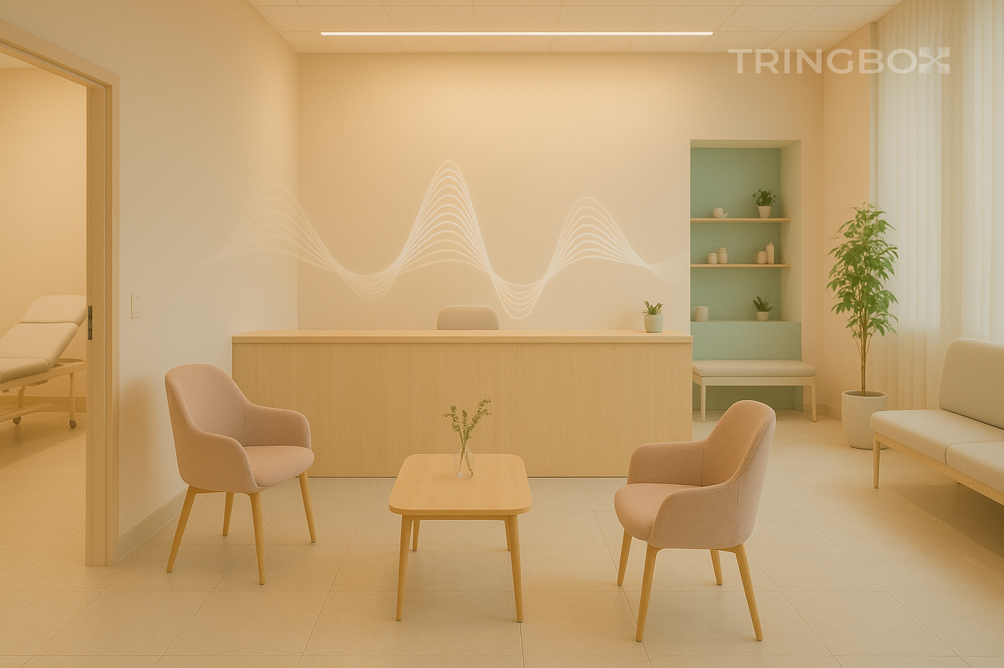
Opening a Clinic or Healthcare Center in 2025?
A clinic or healthcare center is not just a place for medical procedures it is a space where people arrive with anxiety, fear, discomfort, stress, or uncertainty. Their mind is already heavy when they walk in. This is why modern healthcare design is shifting from sterile, cold environments to emotionally warm, psychologically supportive atmospheres. Patients must feel safe, calm, reassured, and relaxed, not overwhelmed. And one of the most powerful tools to achieve this transformation is ambience: light + sound + scent + seating comfort + emotional flow, intelligently reinforced by AI powered music and mood systems like Tringbox. This is the complete guide to designing a healing atmosphere inside your clinic so patients naturally feel better even before treatment begins.
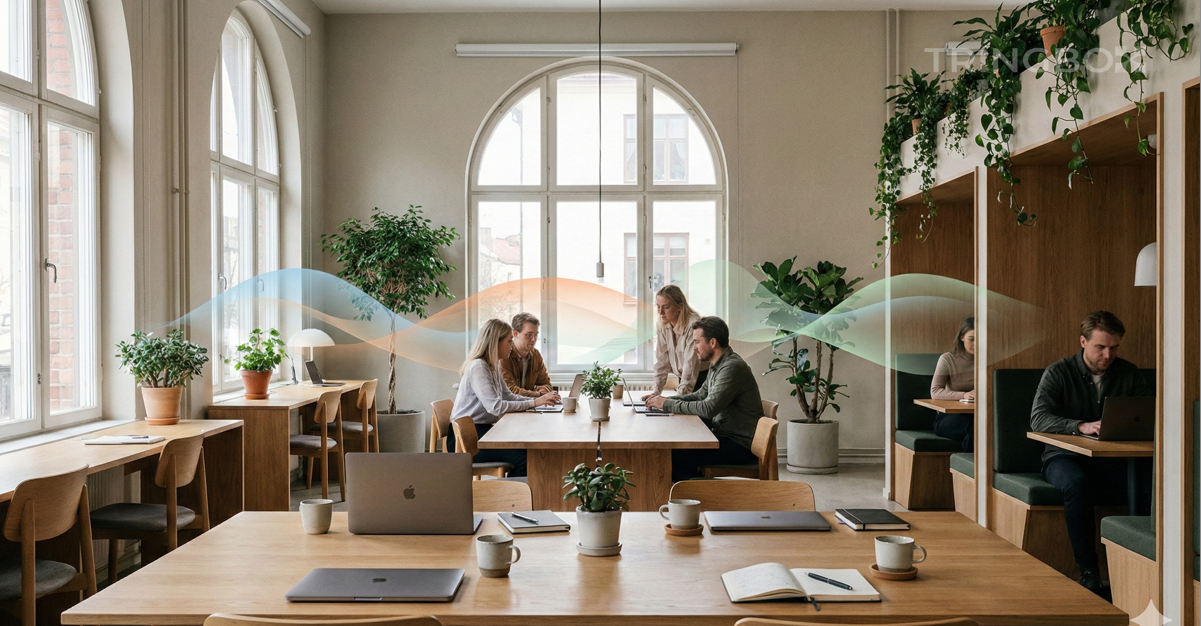
Opening a Coworking Space in 2025?
Coworking spaces have become the new headquarters for freelancers, remote teams, startups, creators, consultants, and hybrid workers. But in 2025, a coworking space is far more than tables, WiFi, and coffee it is a productivity engine, a vibe-driven community hub, and a mental comfort zone where people want to stay for hours. The single biggest differentiator between an average coworking space and a thriving one is not interior design or amenities it is ambience. Ambience is the combination of: Light, Sound, Airflow, Scent, Spatial design, Emotional rhythm, Time-of-day mood flow. And the most influential of these is music, especially when intelligently managed by an AI system like Tringbox. This guide uncovers how to build a coworking space that increases focus, reduces burnout, improves mood, and becomes the go-to destination for productivity.

What Is AI Powered InStore Music?
In 2025, more brands than ever are replacing traditional background playlists with AI powered InStore Music systems. Retail stores, cafes, salons, gyms, restaurants, and clinics are discovering that music isn't just noise in the background. It is an emotional engine that shapes mood, influences decisions, and affects how people feel inside a space. AI powered InStore Music is the next evolution of customer experience. It uses artificial intelligence to select, adapt, and control music automatically, based on the brand identity, time of day, customer mood, and the purpose of the venue. This is a game changing shift from static playlists to dynamic, intelligent soundscapes.
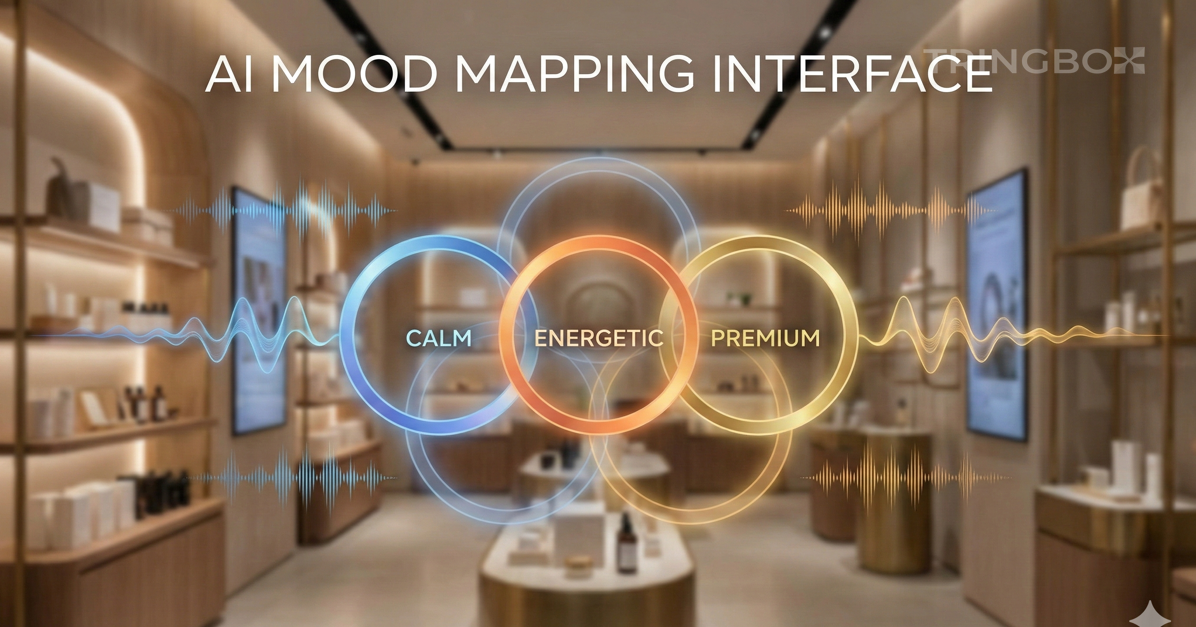
What Is Mood Based Music Mapping for Retail Stores
Retail in 2025 is no longer just about products or visual displays. The most successful brands understand something deeper: the emotional environment inside the store shapes how customers feel, behave, and buy. This is where Mood Based Music Mapping comes in an advanced AI driven system that matches the music inside a venue to the emotional intention of the space. From luxury boutiques to cafes, from salons to clinics, brands are now using music as a scientific tool, not just a playlist. Mood based music mapping is the heart of Tringbox's AI engine, and it's redefining the way people experience retail environments.
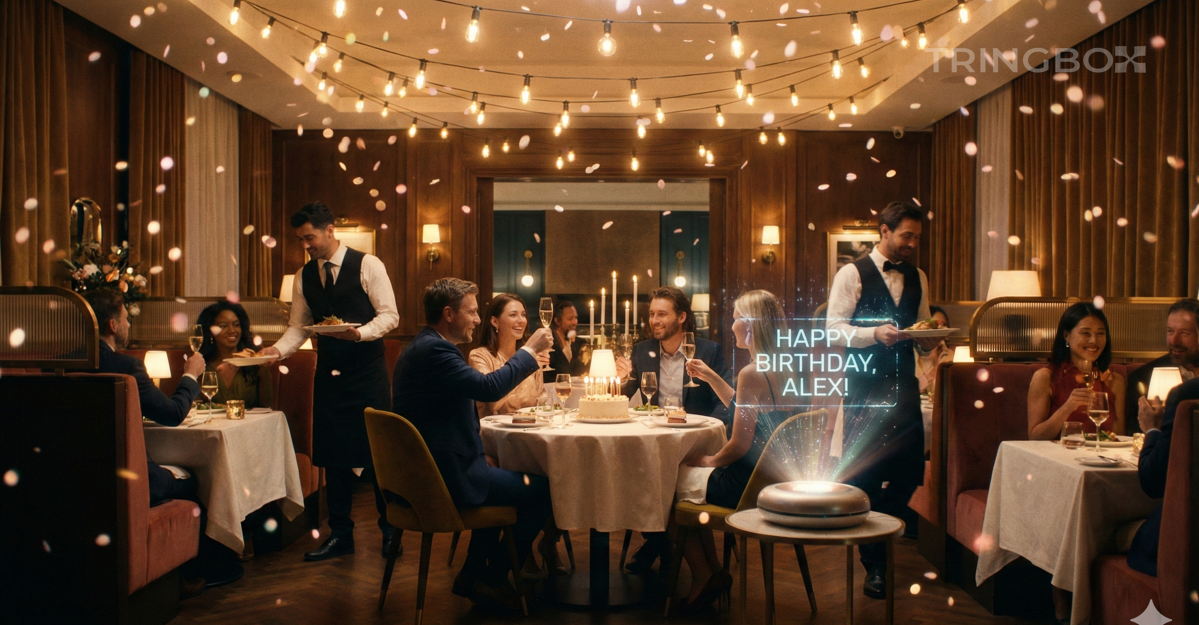
What Is Celebration AI?
We live in a world where customers expect more than functional service. They expect emotion, connection, and moments that feel personal. This shift has transformed retail spaces, cafes, restaurants, salons, bars, co working areas, and even clinics. This is where Celebration AI enters. Celebration AI is one of the most powerful new technologies shaping the physical world. It creates personalized celebration moments inside real venues, such as birthday songs, special announcements, anniversary moments, greetings, and brand aligned emotional experiences. Tringbox is pioneering this movement with India's first deeply integrated AI Powered Celebration Engine, designed to turn every venue into an emotionally intelligent environment.
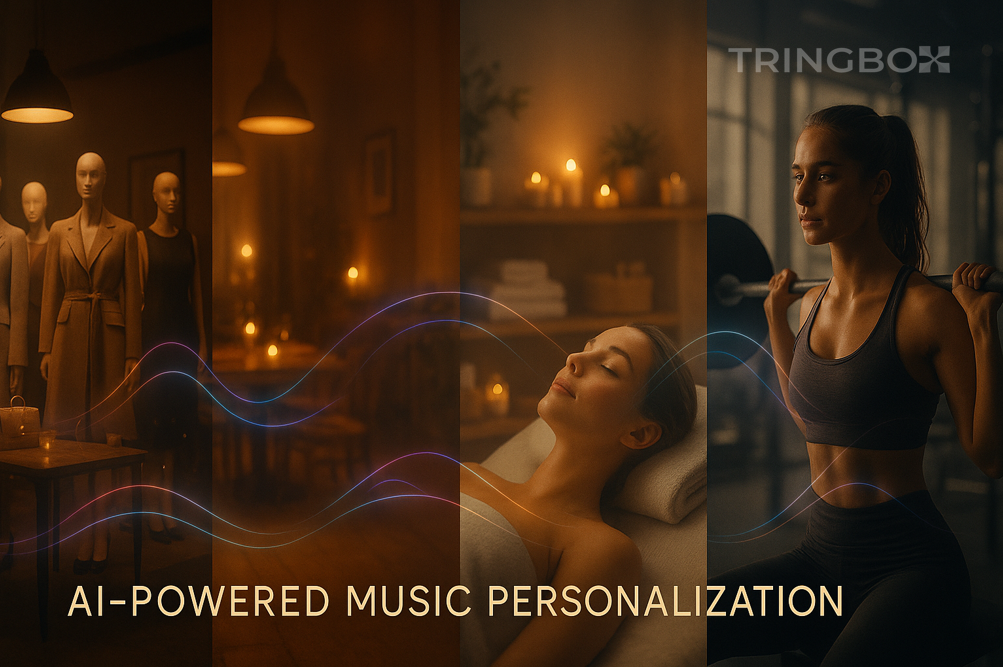
How AI Tailors Music to Brand Identity Across Different Venues
Every brand has a visual identity, a design language, a tone of voice, and a personality. But very few brands have a sonic identity, even though music influences customer emotion faster than any other sensory input. In 2025, advanced AI systems are now helping venues create a consistent, memorable sound environment that reflects their brand identity. Whether it's a luxury boutique, a café, a salon, a fitness studio, or a restaurant, AI can now tailor music scientifically to match the brand's character. Tringbox is leading this revolution with the most refined AI Powered InStore Music engine designed to understand and express a brand through sound.
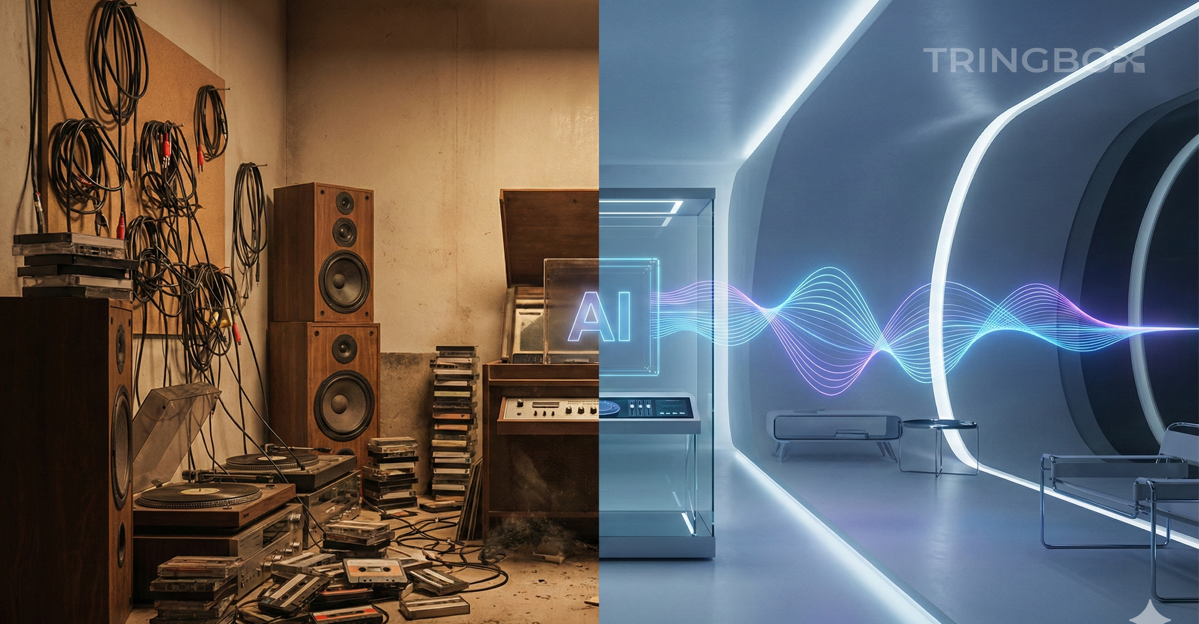
Why Traditional Background Playlists Fail?
For decades, stores, cafes, salons, restaurants, and gyms have relied on traditional background playlists. Someone from the team picks a playlist. It runs all day. Customers hear the same tracks again and again. No science. No personalization. No emotional intention. In 2025, businesses are finally realizing a truth customers have always known: traditional playlists fail to set the right vibe, and they often hurt the brand more than help it. AI powered music systems like Tringbox are solving this problem by creating dynamic, emotion based soundscapes that adapt to the venue, the time, the mood, and the moment. This blog explains exactly why old school playlists no longer work, and why AI is the new standard.
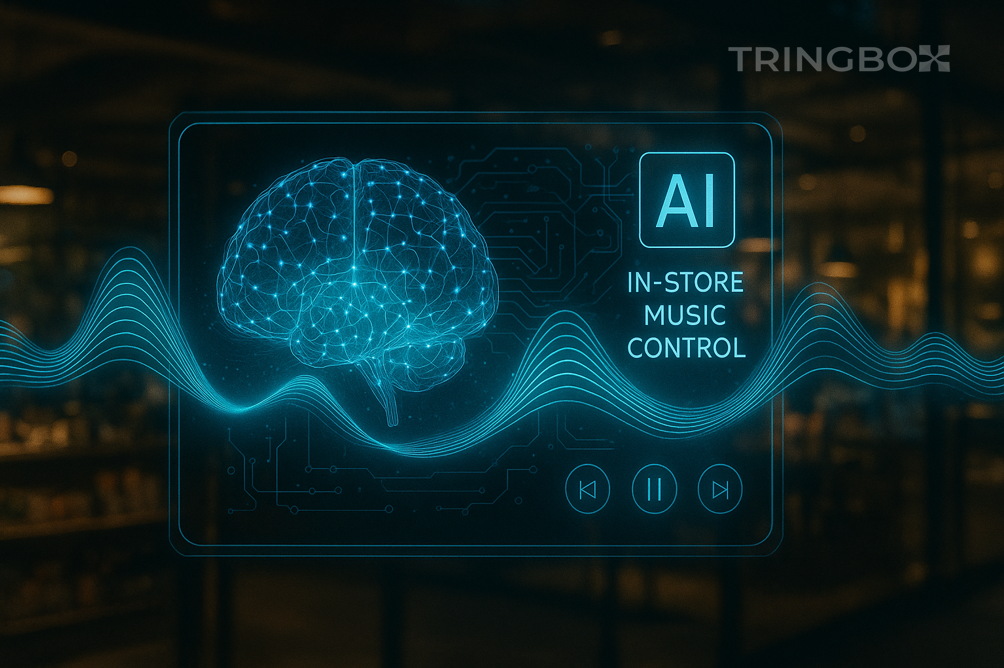
The Science Behind AI Generated Store Music and Mood Mapping
Music inside a store is not just ambience. It is a psychological tool that influences emotion, behaviour, purchasing patterns, memory formation, and even the time customers stay in a venue. In 2025, AI has advanced to a point where it can generate and recommend music scientifically by analyzing human emotional responses. This is the foundation of Tringbox's AI Powered InStore Music and Mood Mapping engine. This blog reveals the science behind how AI understands music the way the human brain does and sometimes even better.
The Psychology of Ambient Music
In modern retail, hospitality, salons, clinics, gyms, and coworking spaces, the environment matters as much as the product or service itself. One of the most powerful and underrated tools shaping this environment is ambient music. Ambient music is subtle, atmospheric sound that influences emotion without demanding attention. It can calm, uplift, energize, or soothe customers in ways they don't consciously notice but their decisions, comfort, and behaviour change significantly. This blog explores the psychology behind ambient music, why it plays such a critical role inside venues, and how Tringbox uses AI to optimize it scientifically.
Trusted by Industry Leaders
Recognized and backed by the world's most innovative platforms

NVIDIA Inception
AI & Deep Learning Innovation Program

Zoho for Startups
Business Software & Growth Support

DPIIT Startup India
Government Innovation Recognition

MongoDB for Startups
Database & Infrastructure Support

AWS Startups
Cloud Computing & Scaling Resources
What is Tringbox Instore AI Music
Tringbox Instore AI Music is a smart music system for shops, cafes, offices, gyms, and public spaces. Instead of playing the same playlist every day, it automatically plays the right music based on what is happening in your space at that moment. You don't need to change anything, music adjusts on its own.
Live Context
Environmental Sensors
AI Engine
Neural Processing
Music Metrics
Audio Analysis
Instruments Detected
Neuro Output
Brain Chemistry
Tringbox Adapts Perfectly to any venue type
No venues found for ""
Research & Evidence
The Science Behind Tringbox
Decades of peer-reviewed neuroscience research proves how engineered soundscapes influence human behavior and drive measurable business outcomes.
Dwell Time
Customers browse longer
Lower BPM music triggers dopamine release, keeping customers comfortable enough to stay longer without realizing why.
Perception
Premium brand feel
Familiar harmonic structures increase serotonin, reducing decision stress and enhancing trust in your brand.
Experience
Higher repeat visits
Oxytocin release through emotionally safe soundscapes creates subconscious familiarity and comfort.
Conversion
Impulse purchases up
Dopamine elevation improves reward anticipation and reduces friction during decision making.
How to Get Started
Transform your venue's atmosphere in four simple steps. No complex setup, no hardware required.
Subscribe to Tringbox
Choose a plan and activate your subscription instantly
Share Your Store Details
Our team guides you through a quick onboarding call
AI Training (upto 72 Hrs)
We tune the engine specifically for your brand's identity
Login & Play
No hardware needed. Works seamlessly on any device.
How Tringbox is Different
Intelligent music that reads your environment and delivers the perfect soundtrack.
Yes
No
No
Yes
No
Yes
No
Yes
Limited
Yes
Yes
No
Limited tracks
200,000+ tracks
This reads like SaaS, not audio. No hardware. No setup. No friction.
Music intelligence at cloud scale.